
Oppslagsverk i finanshistorie
Fra den svarte mandagen til sveitserfranc-sjokket — forstå hendelsene som formet dagens markeder.
- 1929Oct 1929CRISIS
The Great Depression
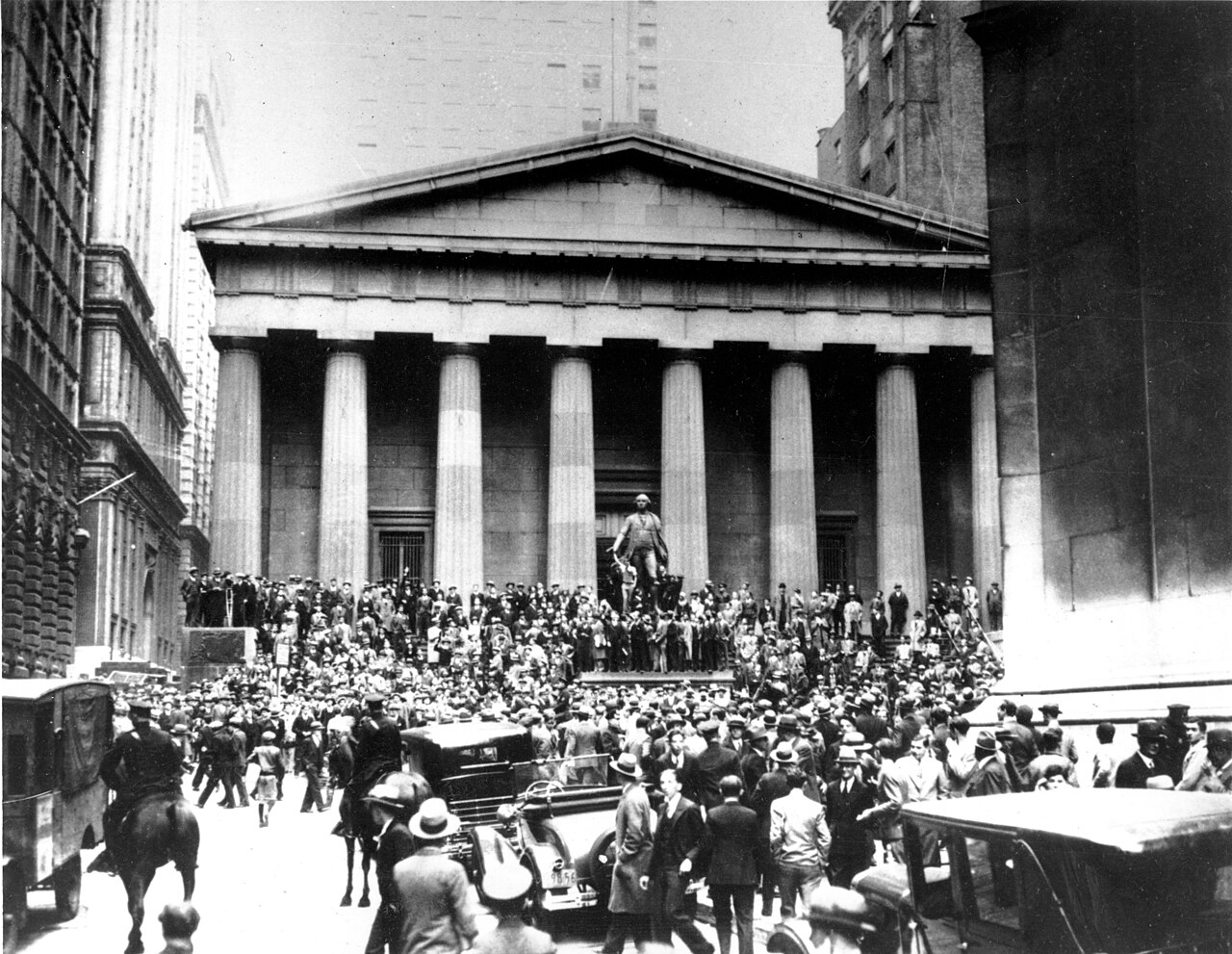
Crowds gathering on Wall Street after the 1929 crash — Wikimedia Commons / Associated Press / Public domain The 1929 Wall Street crash triggered a decade-long global depression, bank failures and the collapse of the gold standard.
Impact: Reshaped monetary policy forever: deposit insurance, securities regulation and the modern central bank's lender-of-last-resort role all trace back to this collapse.
- 1971Aug 1971POLICY
The Nixon Shock — End of Bretton Woods
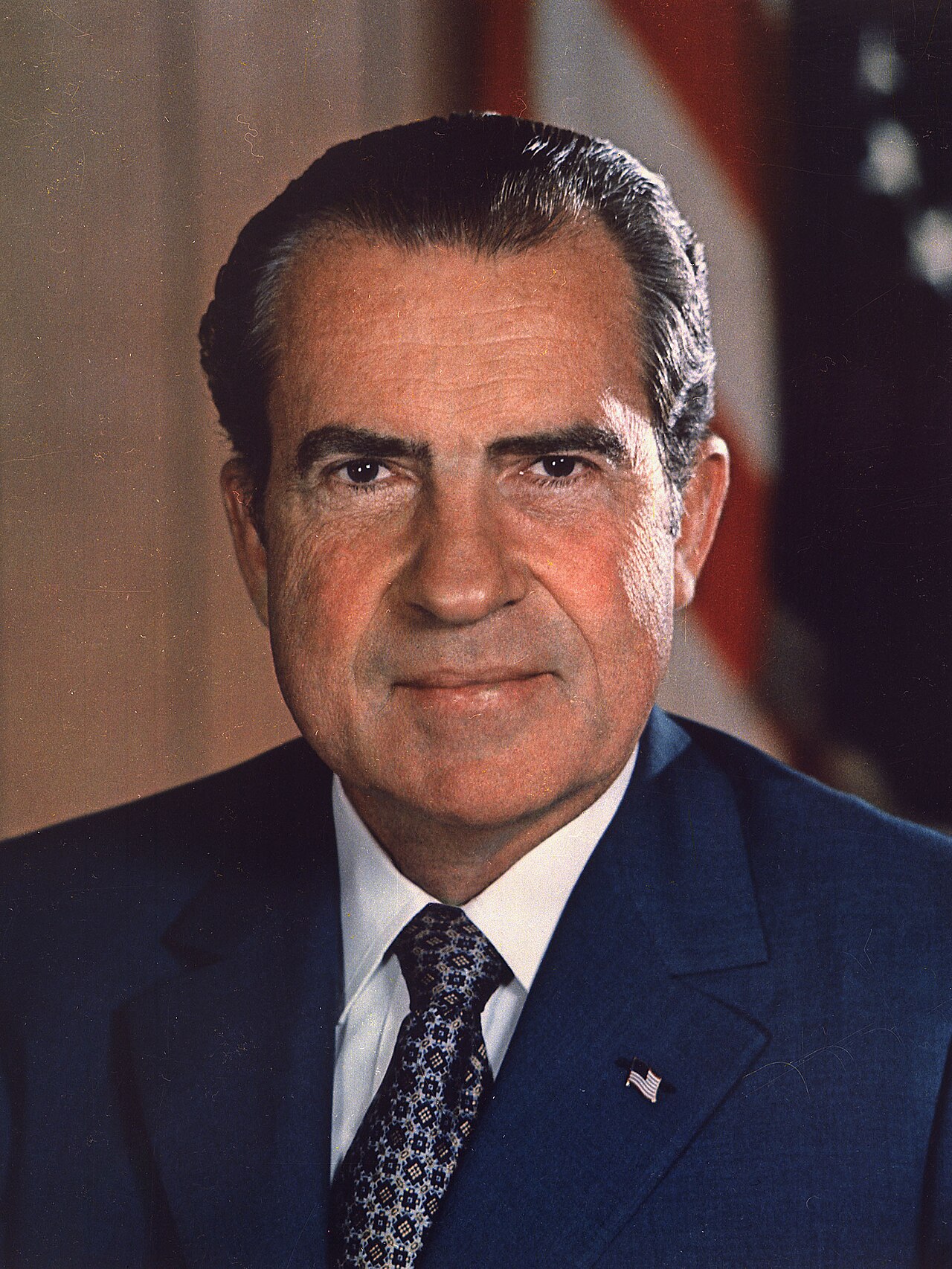
President Richard Nixon, who ended dollar–gold convertibility in 1971 — Wikimedia Commons / Department of Defense. Department of the Army. Office of the Deputy Chief of Staff for Operations. U.S. Army Audiovisual / Public domain The US suspended dollar-gold convertibility, ending fixed exchange rates and giving birth to the floating FX market traders know today.
Impact: Without this event there is no retail forex: every floating currency pair, every FX trend and every currency crisis since 1973 flows from this decision.
- 1985Sep 1985POLICY
The Plaza Accord

The Plaza Hotel in New York, where the 1985 Plaza Accord was signed — Wikimedia Commons / Ermell / CC BY-SA 4.0 G5 nations agreed to coordinate a weakening of the dollar; the yen roughly doubled in value within three years.
Impact: The definitive proof that coordinated intervention can move currencies for years — and a founding chapter of Japan's bubble economy and its aftermath.
- 1987Oct 19, 1987CRISIS
Black Monday
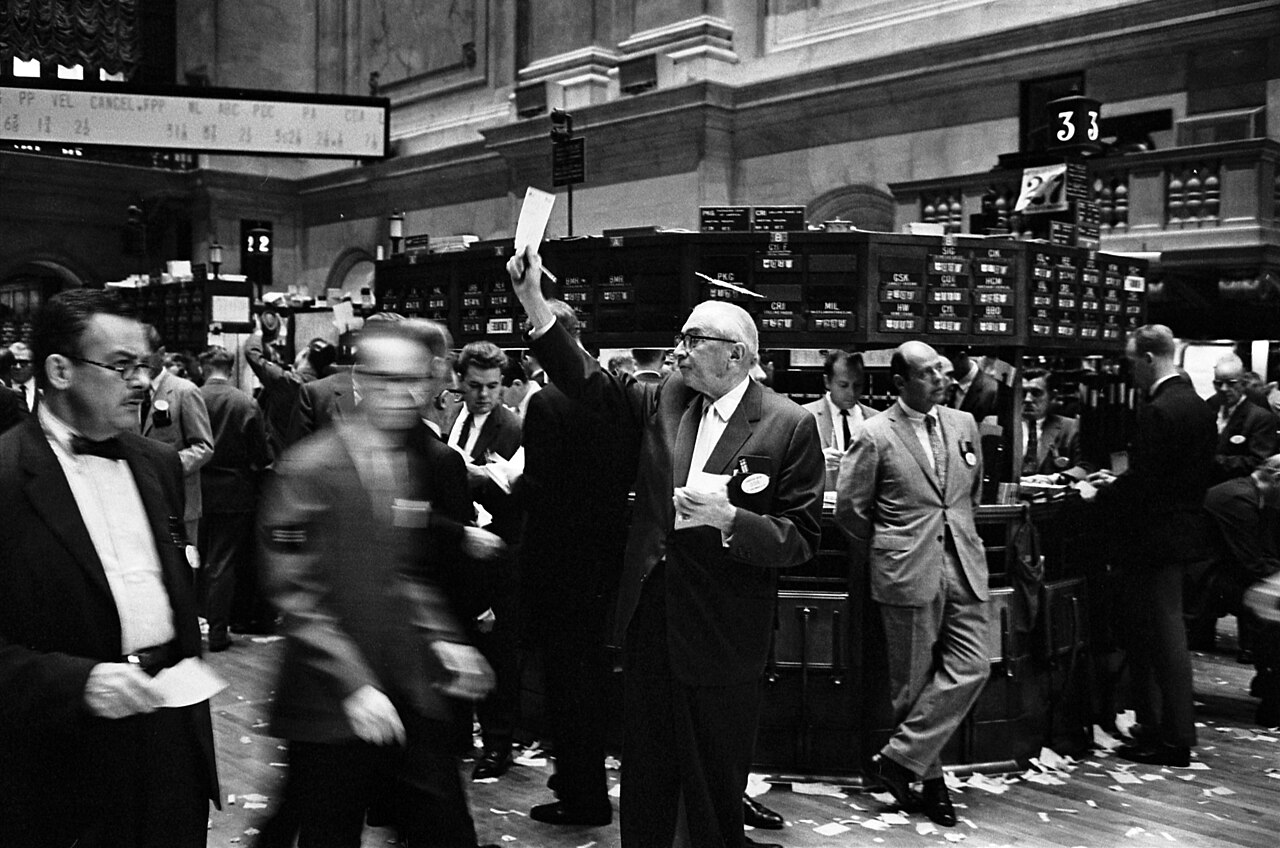
Traders on the New York Stock Exchange floor (archive photograph) — Wikimedia Commons / Thomas J. O'Halloran / Public domain The Dow fell 22.6% in a single day — still the largest one-day percentage crash — amplified by early program trading.
Impact: Gave markets circuit breakers and gave central banks the 'Fed put' reflex: the promise of liquidity support that has shaped every crisis response since.
- 1997Jul 1997CRISIS
The Asian Financial Crisis
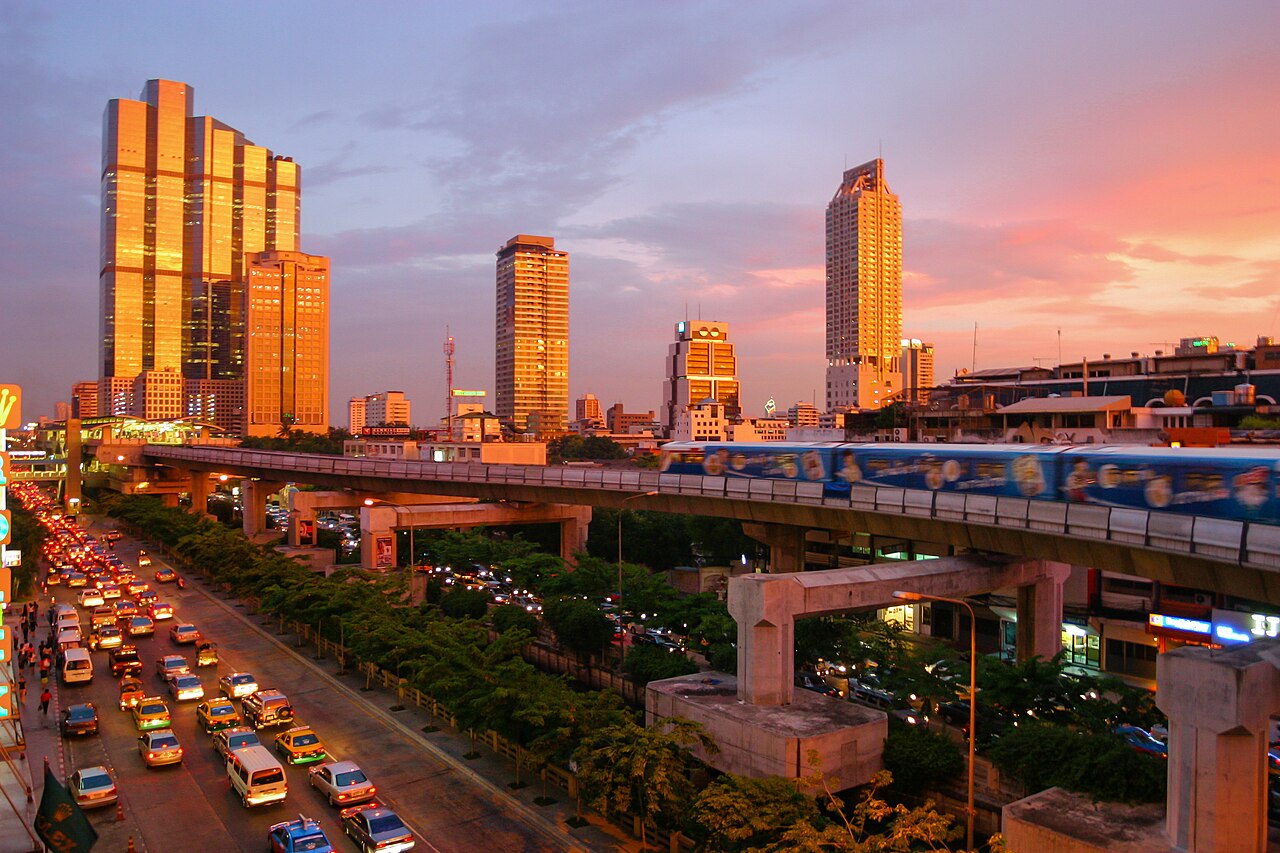
The Bangkok skyline, epicentre of the 1997 Asian financial crisis — Wikimedia Commons / User:Diliff / CC BY-SA 3.0 The collapse of the Thai baht's dollar peg cascaded through Asia, crushing currencies and forcing IMF rescues across the region.
Impact: Taught emerging markets to hoard FX reserves and float their currencies — and taught traders that pegged exchange rates are one-way option bets waiting to break.
- 2000Mar 2000MARKET
The Dot-Com Bubble
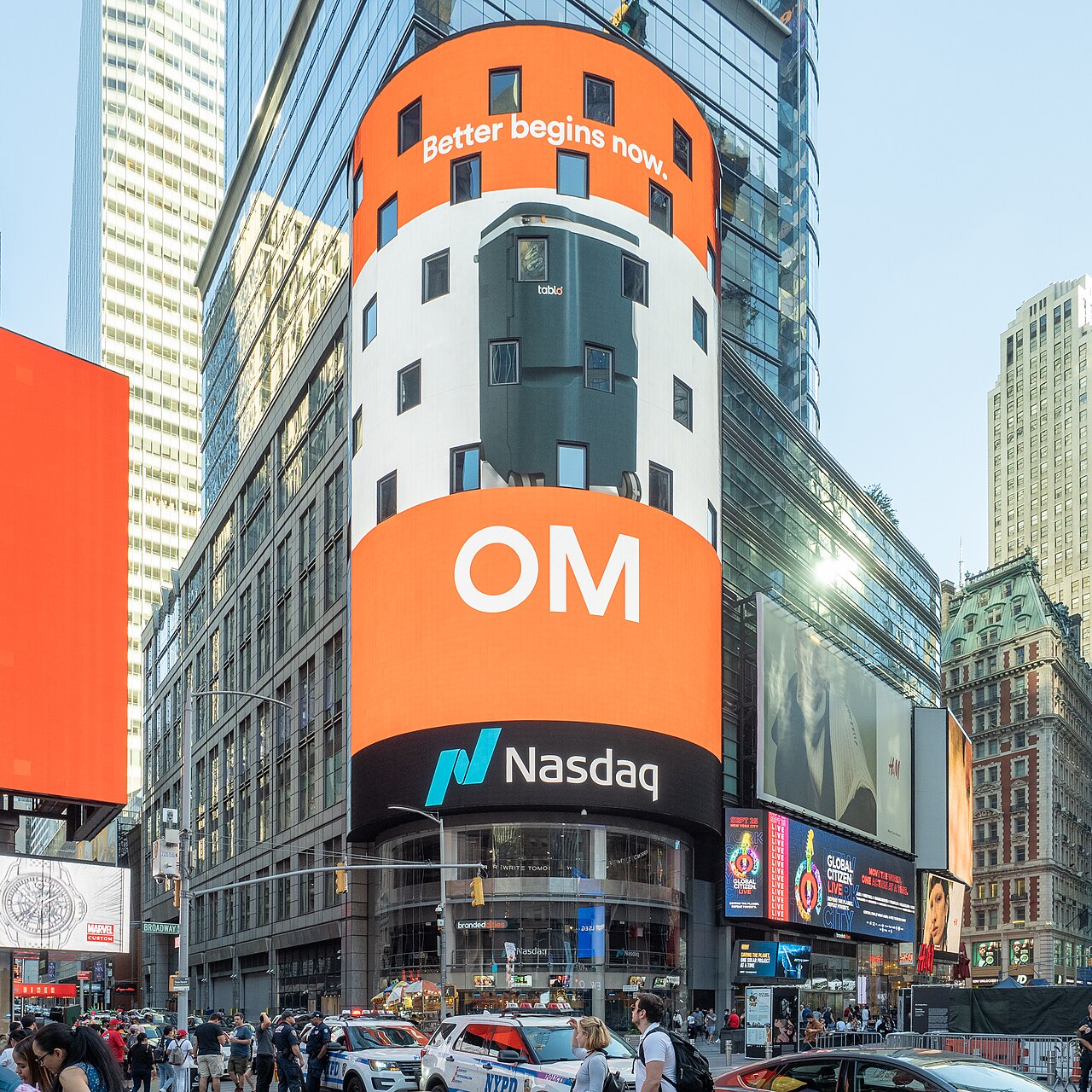
The Nasdaq MarketSite in Times Square, New York — Wikimedia Commons / ajay_suresh / CC BY 2.0 Internet-stock mania pushed the Nasdaq up fivefold in five years before a 78% collapse erased trillions.
Impact: The modern template for narrative bubbles: revolutionary technology, real long-term impact — and devastating losses for those who confused the two timelines.
- 2008Sep 2008CRISIS
The Global Financial Crisis
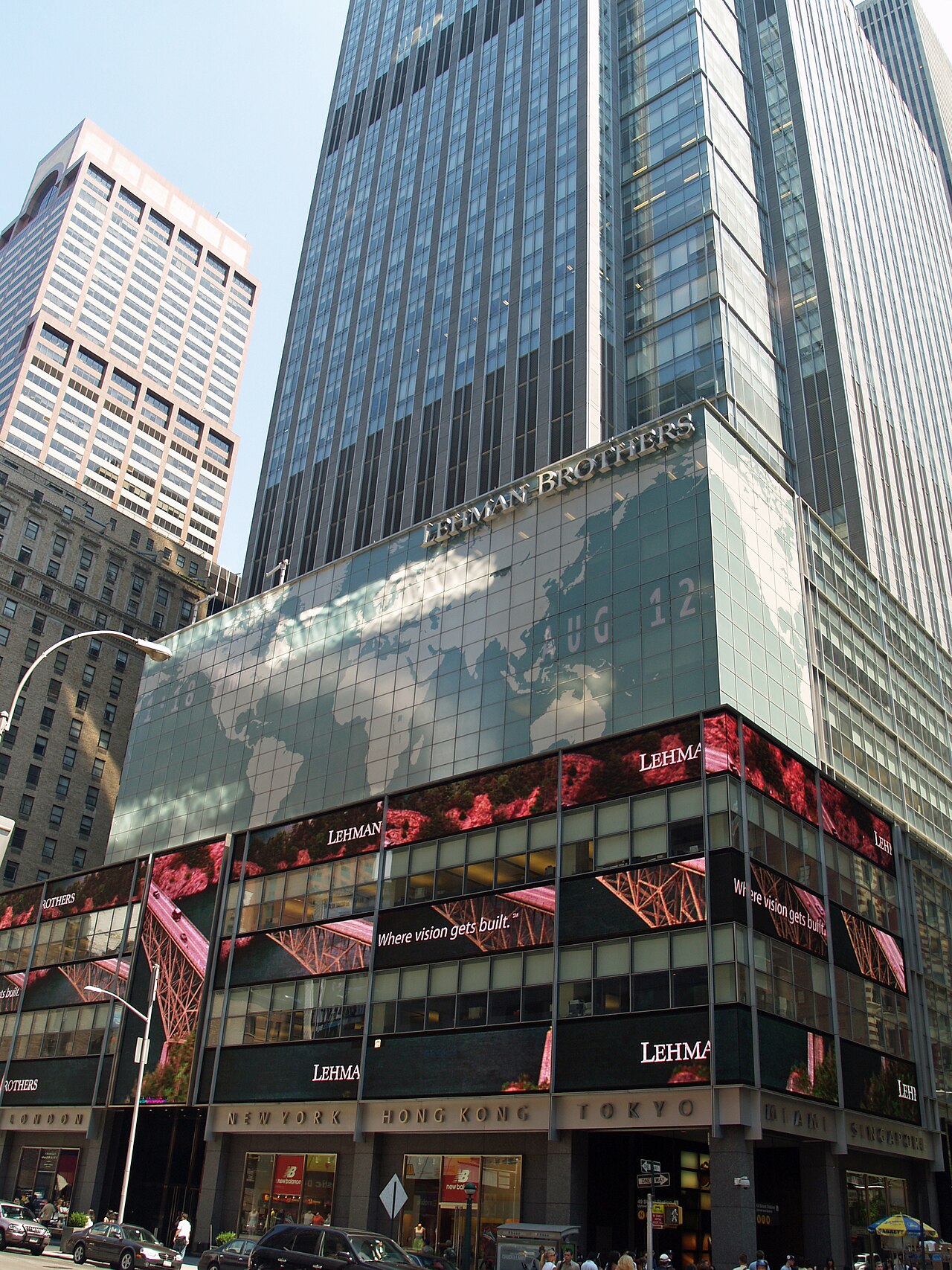
The former Lehman Brothers headquarters in New York — Wikimedia Commons / David Shankbone / CC BY-SA 3.0 The US housing collapse and Lehman Brothers' failure froze global credit and triggered the deepest recession since the 1930s.
Impact: Created the world traders inhabit now: zero rates, quantitative easing, coordinated central bank dominance of markets, and the modern regulatory architecture.
- 2015Jan 15, 2015MARKET
The Swiss Franc Shock
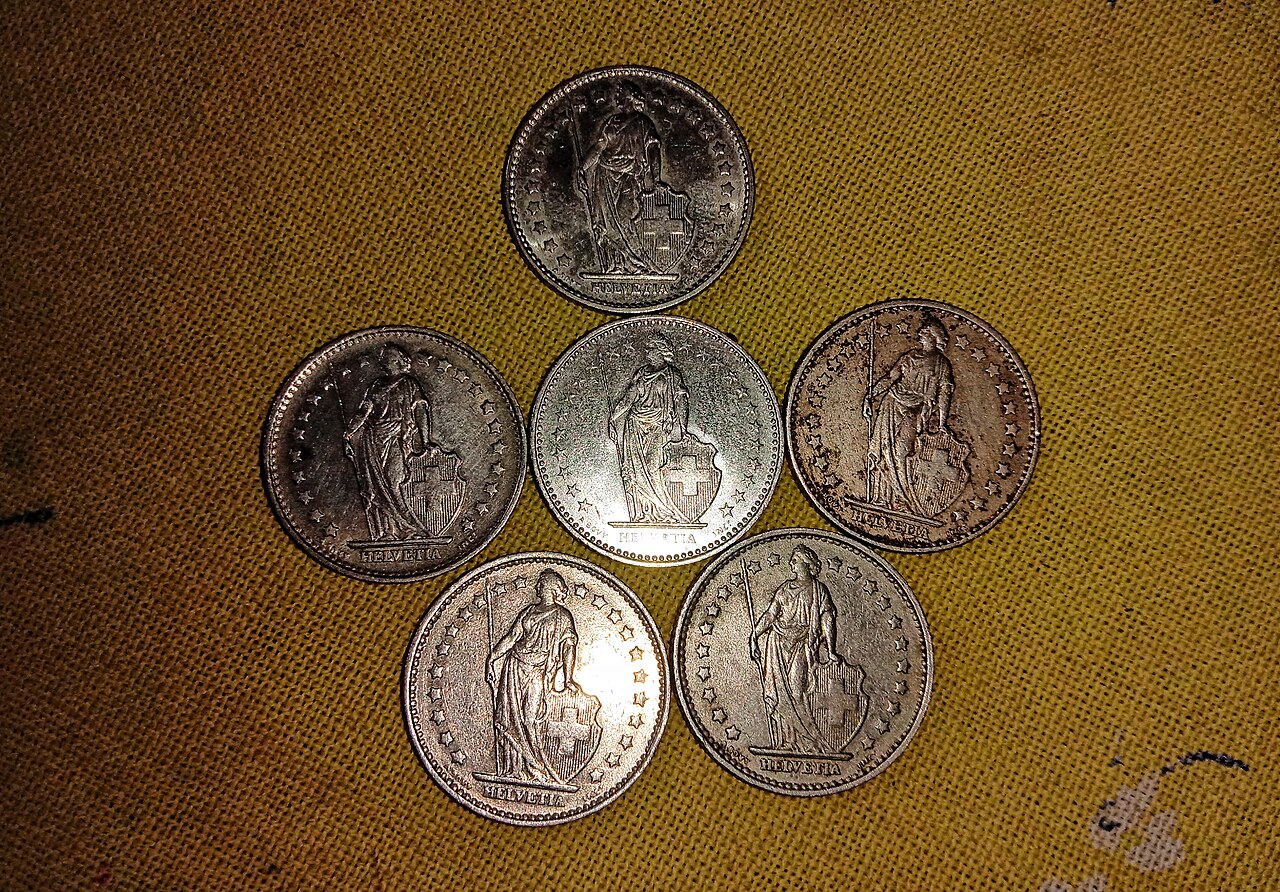
Swiss franc currency — Wikimedia Commons / Billjones94 / CC BY-SA 4.0 The SNB abandoned its 1.20 EUR/CHF floor without warning; the pair fell ~20% in minutes, bankrupting brokers and wiping out accounts.
Impact: FX's defining lesson in gap risk: stop losses cannot protect against discontinuous prices, negative balances are real, and broker solvency is part of your risk.