
Verken de financiële database
Valuta's, valutaparen en de geschiedenis van de wereldmarkten — de referentielaag achter elke gids.


Valuta's
US Dollar
The world's primary reserve currency and the quote side of most global trade, commodities and FX volume. Nearly 90% of all FX transactions involve the dollar on one side.
Euro
The second most traded currency, shared by 20 EU member states. EUR/USD is the single most liquid instrument in FX.
Japanese Yen
The third most traded currency and Asia's benchmark. Decades of ultra-low rates made the yen the world's favorite funding currency for carry trades.
British Pound
The world's oldest currency still in use and fourth most traded. Known for wider intraday ranges than EUR — a favorite of volatility-seeking traders.
Australian Dollar
The classic commodity currency: closely tied to iron ore, coal and Chinese demand. A liquid proxy for global growth sentiment.
Swiss Franc
The archetypal safe-haven currency, backed by Switzerland's stability and current account surpluses. Central to one of FX's most violent events: the 2015 franc shock.
Canadian Dollar
An oil-linked G10 currency trading in near-lockstep with US economic cycles. USD/CAD is the cleanest crude-oil expression in major FX.
New Zealand Dollar
A dairy-export-driven currency and the smallest G10 major. Thinner liquidity outside Pacific hours produces sharper spikes on news.
Chinese Yuan (Renminbi)
The currency of the world's second-largest economy, managed within a band by the PBOC. Traded onshore (CNY) and offshore (CNH) at slightly different prices.
Mexican Peso
The most traded Latin American currency and a global carry favorite when Mexican rates run high. Liquid for an EM currency, but gaps hard in risk-off.
Vind jouw valutapaar
Volatiliteit, sessies en karakter van de meest verhandelde paren ter wereld.
EUR/USD
Volatiliteit: MEDIUM“Fiber”
The most traded instrument in FX with the tightest spreads and deepest liquidity. Driven by the Fed–ECB policy differential, it trends cleanly when the rate story is clear and ranges when it is not.
USD/JPY
Volatiliteit: MEDIUM“Gopher”
The purest interest-rate pair: it tracks the US–Japan yield gap tick for tick. Liquid across both Asian and US sessions, with intervention headlines as its signature tail risk.
GBP/USD
Volatiliteit: HIGH“Cable”
Cable moves like EUR/USD with the volume turned up: wider ranges, sharper spikes, and strong sensitivity to UK politics and BOE surprises. Rewarding for momentum traders, punishing for tight stops.
AUD/USD
Volatiliteit: MEDIUM“Aussie”
The market's favorite China and commodity proxy. Trades on Chinese data, iron ore prices and global risk appetite as much as on Australian fundamentals.
USD/CHF
Volatiliteit: LOW“Swissy”
A quiet, mean-reverting pair that mirrors EUR/USD inversely most of the time — until a crisis sends safe-haven flows into the franc and correlations snap.
USD/CAD
Volatiliteit: MEDIUM“Loonie”
The oil pair: crude rallies typically strengthen the Canadian dollar and push USD/CAD down. Concentrated in NY hours, with simultaneous US/Canada releases creating unique double-event volatility.
EUR/JPY
Volatiliteit: HIGH“Yuppy”
A classic risk-sentiment cross: rises when equities rally (yen sold) and falls hard in risk-off. Its price is mathematically EUR/USD × USD/JPY, inheriting drivers from both.
GBP/JPY
Volatiliteit: HIGH“Beast / Geppy”
The most volatile commonly-traded cross, nicknamed 'the Beast'. Combines sterling's political sensitivity with yen risk flows. Big rewards, bigger stops, no place for oversized positions.
EUR/GBP
Volatiliteit: LOW“Chunnel”
A slow, range-prone cross between two intertwined economies. Loved by mean-reversion systems and grid strategies — with the caveat that policy divergence phases produce rare but persistent trends.
AUD/NZD
Volatiliteit: LOW“Trans-Tasman”
Two neighboring commodity economies make this the market's most famous ranging pair — the textbook grid/reversion instrument. Its danger: central bank divergence occasionally produces relentless one-way moves.
NZD/USD
Volatiliteit: MEDIUM“Kiwi”
The Aussie's smaller sibling with its own dairy-price twist. Thinner liquidity means sharper reactions to surprises — including the RBNZ's famously bold policy moves.
XAU/USD (Gold)
Volatiliteit: HIGH“Gold”
Not a currency pair but traded like one on every FX platform. Gold responds to real yields, dollar strength and fear. Enormous ranges make position sizing the entire game.
Encyclopedie van de financiële geschiedenis
Van Zwarte Maandag tot de frankschok — begrijp de gebeurtenissen die de markten van vandaag vormden.
1929
The Great Depression
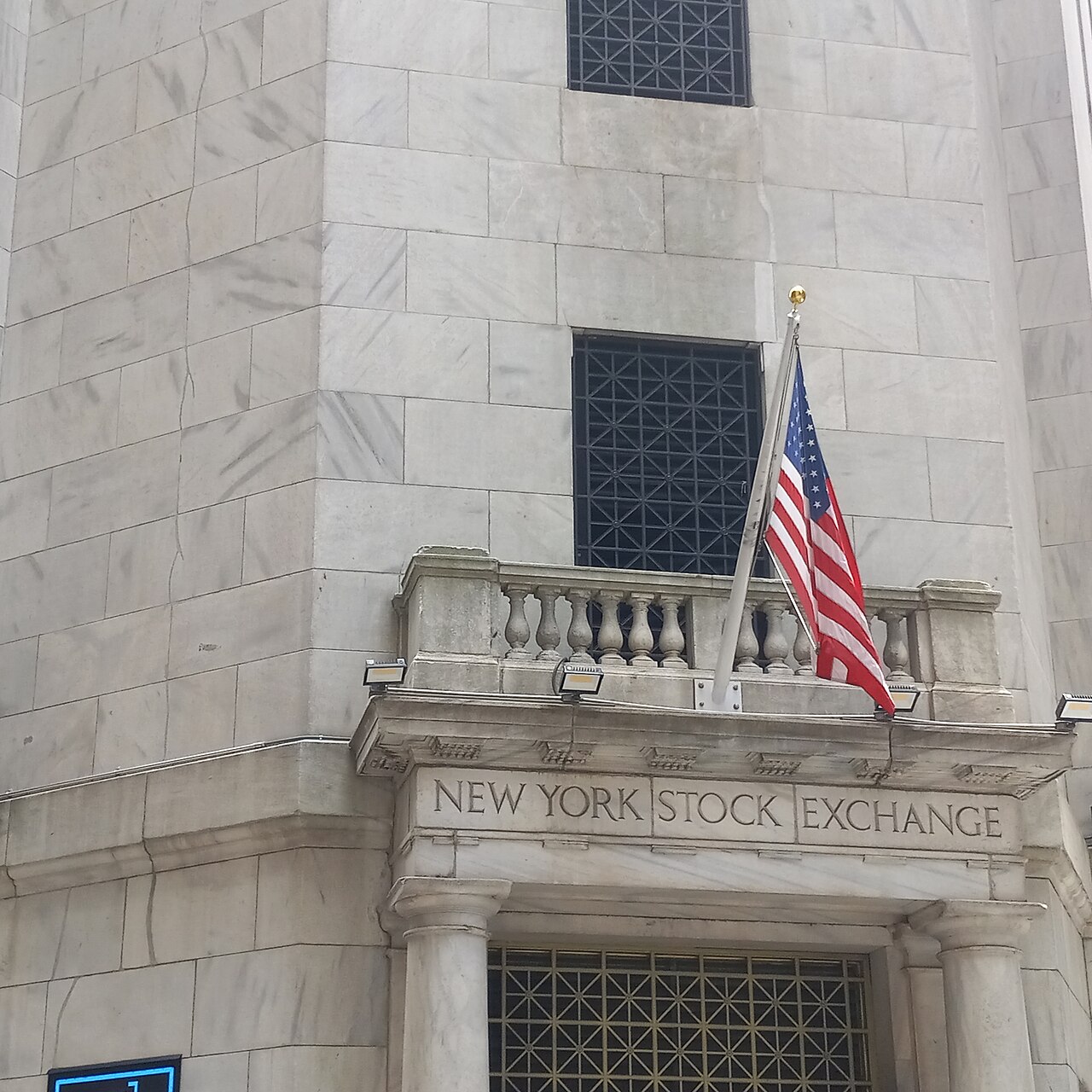
The 1929 Wall Street crash triggered a decade-long global depression, bank failures and the collapse of the gold standard.
1971
The Nixon Shock — End of Bretton Woods
The US suspended dollar-gold convertibility, ending fixed exchange rates and giving birth to the floating FX market traders know today.
1985
The Plaza Accord
G5 nations agreed to coordinate a weakening of the dollar; the yen roughly doubled in value within three years.
1987
Black Monday
The Dow fell 22.6% in a single day — still the largest one-day percentage crash — amplified by early program trading.