
Cette traduction est en cours. L'original anglais est affiché pour le moment.
Risk Management Basics: The Rules That Keep Traders Alive
Most traders fail from oversized losses, not bad predictions. Learn the core rules: fixed fractional risk, stop placement, drawdown math and why survival is the strategy.

À retenir
- Risk a fixed small fraction of equity per trade — commonly 1–2%.
- A 50% drawdown requires a 100% gain to recover; the math punishes big losses.
- Stops belong at invalidation points, not at round pain thresholds.
- Correlated positions are one position — count exposure, not tickets.
- The first goal of trading is staying able to trade tomorrow.
Why does risk management come before strategy?
Drawdown math is unforgiving: lose 10% and you need 11% to recover; lose 50% and you need 100%. A strategy with positive expectancy still fails if a few oversized losses dig a hole too deep to climb out of.
That is why professionals define risk before entries. The question is never only 'will this trade win?' but 'what does my account look like if it loses — five times in a row?'
How much should you risk per trade?
The standard answer is fixed fractional risk: 1–2% of equity per trade. At 1% risk, ten consecutive losses — which will eventually happen — cost roughly 10% of the account, an entirely recoverable setback.
Position size follows from the formula: size = (equity × risk%) ÷ stop distance. The stop is decided first by the chart; the size is derived, never the other way around.
What practical rules should you adopt today?
Use hard stop-loss orders, not mental ones — especially with leverage, and always for automated systems. Cap total simultaneous risk (for example 4–6% across all open trades) and treat correlated pairs as one position.
Add a daily loss limit that stops your trading for the day when hit. The rule protects you from the worst trader you will ever face: yourself, on tilt, after three losses.
Questions fréquentes
›Where should I place my stop loss?
At the price where your trade idea is proven wrong — beyond the structure you traded against. If that distance forces too large a position risk, reduce size or skip the trade.
›Is 2% risk per trade too much?
For experienced traders with tested systems it is a common ceiling. Beginners are usually better at 0.5–1% while they learn, because early mistakes cluster.
›Should I move my stop to break-even?
It reduces risk but often exits good trades early. Test it: for many strategies a structure-based trailing stop outperforms an automatic break-even move.
Sources et références
Le trading du forex et des CFD avec effet de levier comporte un risque élevé de perte. Ne tradez jamais avec des fonds dont vous ne pouvez pas vous passer. Contenu pédagogique uniquement — pas un conseil en investissement.
À lire ensuite
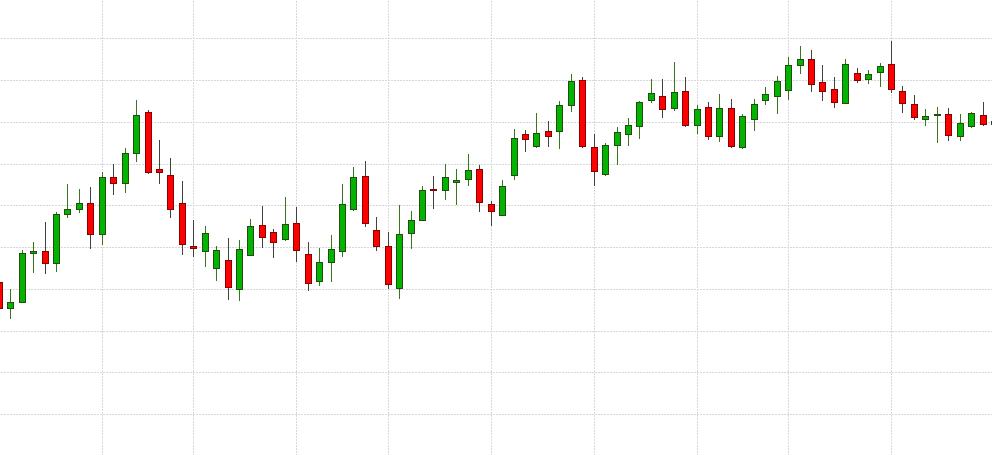
How to Read Candlestick Charts: The Trader's First Skill
Candlesticks compress open, high, low and close into one visual unit. Learn to read individual candles, common patterns, and — more importantly — the context that gives them meaning.
Pub
Pub
Pub