
এই অনুবাদ চলছে। আপাতত ইংরেজি মূল লেখা দেখানো হচ্ছে।
What Is Forex Trading? A Beginner's Guide to the Currency Market
Forex is the global market where currencies are exchanged. This guide explains how currency pairs work, when the market is open, who participates, and what you need to know before placing your first trade.
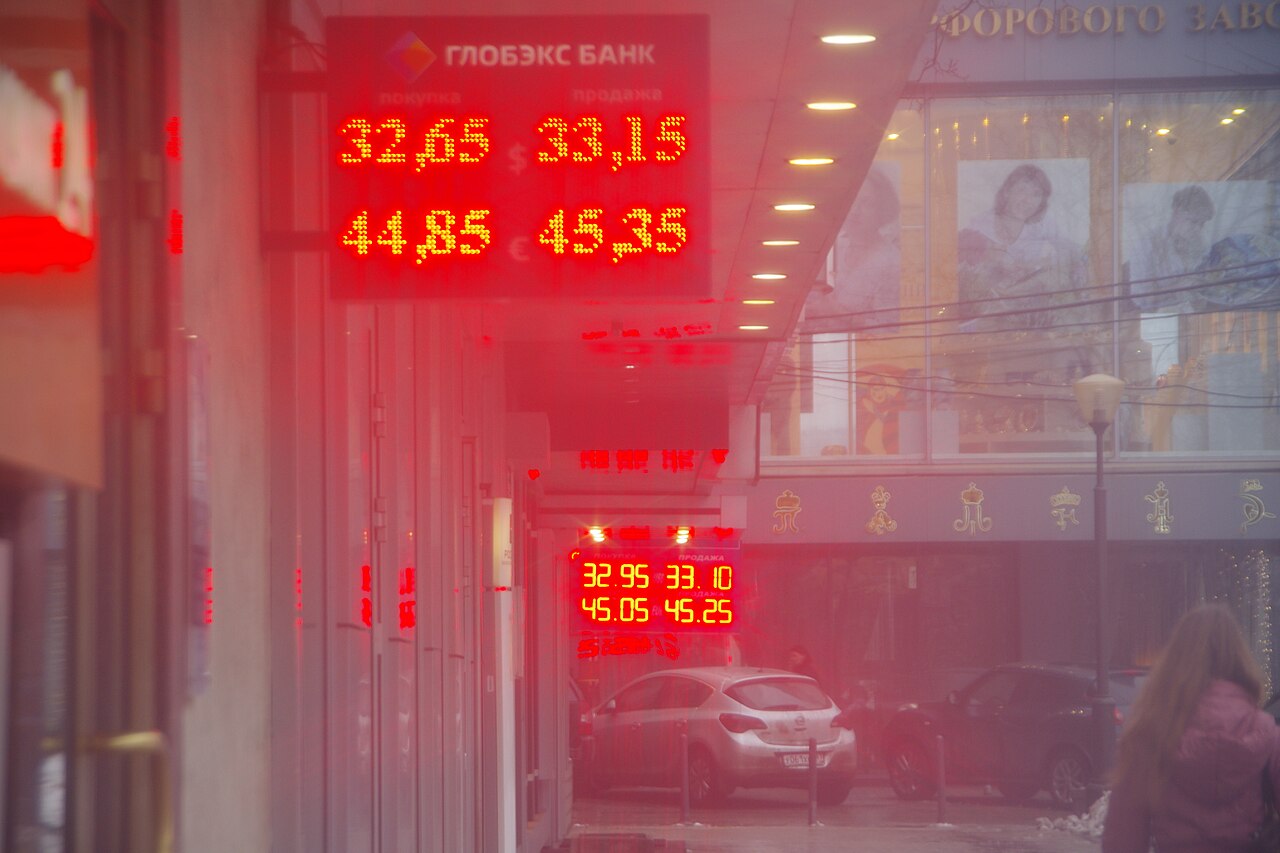
মূল বিষয়
- Forex is the largest financial market in the world, trading 24 hours a day, five days a week.
- Currencies are always traded in pairs: buying EUR/USD means buying euros and selling dollars.
- Prices are quoted in pips — the smallest standard unit of price movement.
- Most retail trading uses leverage, which magnifies both profits and losses.
- Start with a demo account and a written risk plan before using real money.
What is the forex market?
The foreign exchange (forex, or FX) market is where the world's currencies are bought and sold. Banks, companies, governments and individual traders exchange one currency for another — for trade, investment, or speculation — making it the largest and most liquid financial market in the world.
Unlike a stock exchange, forex has no central location. Trading happens electronically between participants around the globe, which is why the market runs 24 hours a day from Monday morning in Asia to Friday evening in New York.
How do currency pairs work?
Currencies are always quoted in pairs, such as EUR/USD or USD/JPY. The first currency is the base, the second is the quote. If EUR/USD is 1.0850, one euro costs 1.0850 US dollars. Buying the pair means you expect the base currency to strengthen against the quote currency.
Price changes are measured in pips. For most pairs a pip is 0.0001; for yen pairs it is 0.01. Understanding pip value is essential because it links price movement to actual profit or loss in your account currency.
How should a beginner start?
Start with education, not deposits. Learn how leverage, margin and stop-loss orders work, then practice on a demo account until your process feels routine. Only then consider a small live account with money you can afford to lose.
Choose a regulated broker, keep position sizes small, and record every trade in a journal. Consistency and risk control matter far more than finding a perfect entry signal.
সাধারণ প্রশ্ন
›How much money do I need to start trading forex?
Many brokers accept small deposits, but the practical minimum is whatever lets you risk 1–2% per trade with proper stop losses. Start on a demo account first — it costs nothing.
›Is forex trading gambling?
It can be if you trade without a plan. With defined risk per trade, a tested strategy and a journal, it becomes structured decision-making under uncertainty — still risky, but not random.
›When is the best time to trade?
Liquidity peaks when the London and New York sessions overlap (roughly 12:00–16:00 UTC). Beginners should avoid major news releases until they understand volatility spikes.
সূত্র ও তথ্যসূত্র
লিভারেজ দিয়ে ফরেক্স ও CFD ট্রেডিংয়ে অর্থ হারানোর ঝুঁকি বেশি। যে অর্থ হারানো আপনার পক্ষে সম্ভব নয়, তা দিয়ে কখনো ট্রেড করবেন না। কেবল শিক্ষামূলক বিষয়বস্তু — বিনিয়োগ পরামর্শ নয়।
পরবর্তী পড়ুন
Leverage and Margin Explained: How Small Deposits Control Big Positions
Leverage lets you control a large position with a small deposit called margin. This guide explains margin requirements, margin calls and stop-outs — and why effective leverage, not maximum leverage, is what actually matters.
বিজ্ঞাপন
বিজ্ঞাপন
বিজ্ঞাপন